
Back Pain During Pregnancy: Causes, Relief, and When to Get Support
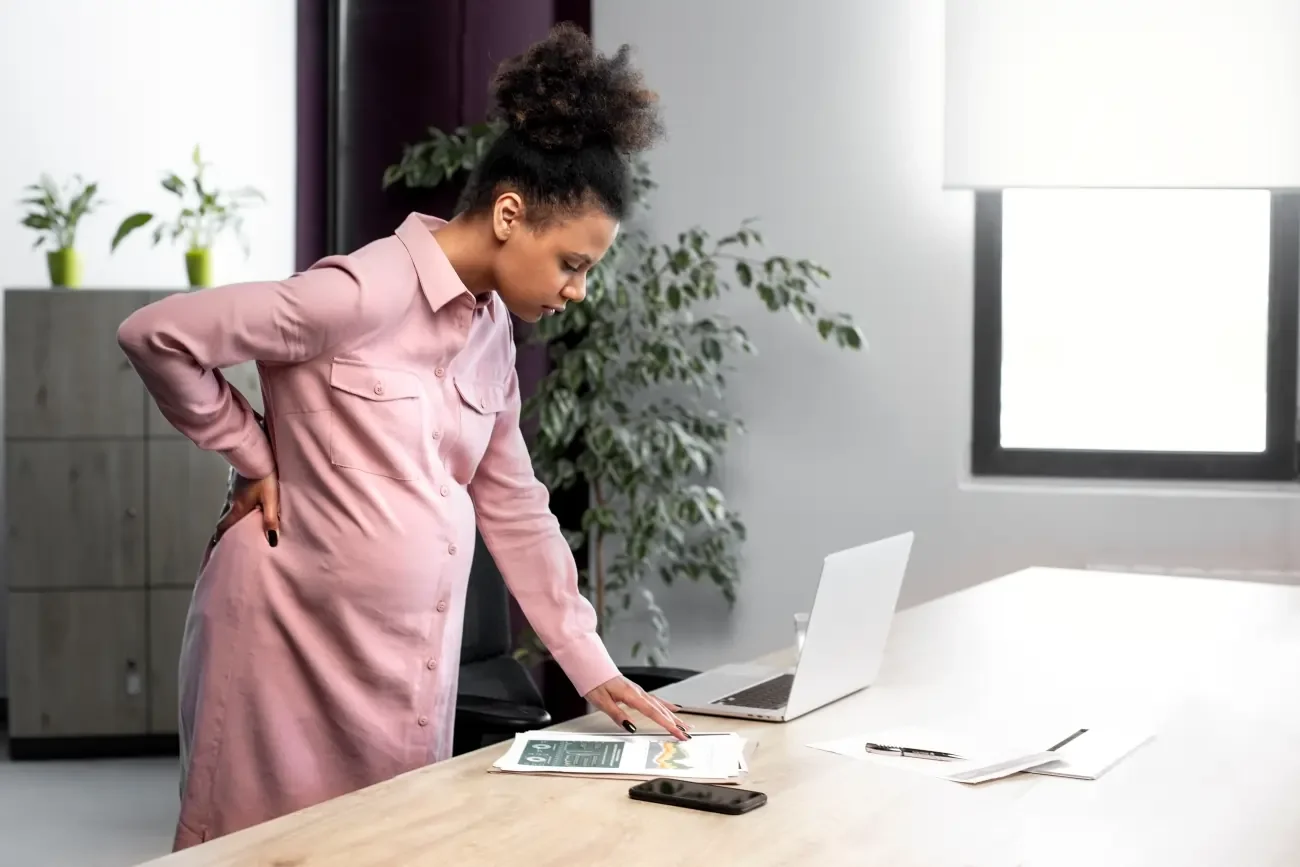
Back pain during pregnancy is one of the most common discomforts expectant mothers experience. It can show up as stiffness, aching, or sharp pain that makes everyday activities like standing, walking, or sleeping harder than usual. While pregnancy back pain is often normal, understanding why it happens and what may help can make a real difference in how you feel day to day.
In this guide, we will explain what causes back pain during pregnancy, how it can change by trimester, and safe ways to find relief. We will also cover when extra support may be helpful. If you need personalized guidance, working with a prenatal chiropractor in Woodbury, MN can be one supportive option during pregnancy.
Is Back Pain Normal During Pregnancy?
Yes, back pain is very common during pregnancy. Many people experience some level of discomfort as the body adapts to physical and hormonal changes. Pregnancy back pain can start early or develop later as the baby grows and posture shifts.
While mild to moderate discomfort is often considered normal, pain that interferes with daily movement, sleep, or work should not be ignored. Paying attention to patterns and triggers can help you decide when additional support is needed.
What Causes Back Pain During Pregnancy?
Several changes during pregnancy can contribute to back pain.
Postural changes
As your center of gravity shifts forward, the lower back often arches more than usual. This change can place extra stress on muscles and joints.
Hormonal changes
Pregnancy hormones increase joint and ligament flexibility, especially around the pelvis. While this helps prepare the body for childbirth, it can also reduce stability and increase discomfort.
Muscle fatigue and imbalance
Muscles in the back, hips, and core work harder during pregnancy. Over time, fatigue and imbalance may develop, especially with prolonged sitting or standing.
Daily movement habits
How you sit, stand, sleep, and move throughout the day can either reduce or increase pregnancy back pain.
Types of Pregnancy Back Pain
Pregnancy back pain can feel different depending on where it shows up.
Lower back pain during pregnancy
Lower back pain pregnancy symptoms are often linked to posture changes, pelvic shifts, and muscle strain. This is the most common type of pregnancy back pain.
Upper and mid-back pain during pregnancy
Upper back pain pregnancy discomfort is often related to posture, phone or computer use, and changes in chest weight.
Severe back pain during pregnancy
Pain that feels intense, sharp, or persistent may need further evaluation. Severe back pain during pregnancy should always be discussed with a healthcare provider.
Back Pain During Each Trimester
Back pain early pregnancy
In early pregnancy, back pain may be linked to hormonal changes and early postural shifts.
Back pain second trimester
As the baby grows, changes in balance and movement can increase strain on the lower back and hips.
Back pain third trimester
Back pain often peaks in the third trimester due to increased weight, reduced mobility, and prolonged postural stress.
How to Relieve Back Pain During Pregnancy Safely
There are several safe back pain relief options during pregnancy that many people find helpful.
Gentle daily movement such as walking
Being mindful of posture when sitting and standing
Using heat or cold for short periods if comfortable
Wearing supportive shoes
Taking regular breaks from sitting or standing
If discomfort increases or does not improve, it may be time to seek professional guidance.
Pregnancy Back Pain Stretches
Gentle movement and stretching may help ease muscle tension.
Examples include:
Supported seated stretches for the hips and lower back
Gentle side-lying movements
Light hamstring stretches while seated
Pelvic movement exercises done slowly and comfortably
Always avoid forcing a stretch and stop if pain increases.
Pregnancy Back Pain Sleeping Positions
Sleep position can have a big impact on pregnancy back pain.
Helpful tips include:
Sleeping on your side with a pillow between the knees
Using a pillow to support the belly
Avoiding twisting during sleep
Making sure your mattress offers enough support
Adjusting sleep setup can reduce strain on the lower back overnight.
When to Get Extra Support for Pregnancy Back Pain
You may want additional support if:
Back pain affects your ability to move or sleep
Pain continues despite rest and gentle movement
Discomfort increases as pregnancy progresses
Knowing when pregnancy back pain warrants extra attention can help prevent ongoing discomfort.
Can Chiropractic Help Pregnancy Back Pain?
Prenatal chiropractic care focuses on supporting comfort, mobility, and alignment during pregnancy. Care is adapted to pregnancy and emphasizes gentle, supportive techniques rather than forceful adjustments.
Some expectant mothers explore prenatal chiropractic care as part of their pregnancy support plan, especially when back pain affects daily life. If you are ready to take the next step, you can book your chiropractic appointment online and learn what to expect during your visit.
FAQs
Is back pain normal during pregnancy?
Yes, many people experience pregnancy back pain due to physical and hormonal changes.
What causes lower back pain during pregnancy?
Lower back pain is often linked to posture changes, muscle fatigue, and pelvic shifts.
How can I relieve back pain during pregnancy safely?
Gentle movement, posture awareness, supportive sleep positions, and professional guidance can help.
When should I be concerned about pregnancy back pain?
If pain is severe, persistent, or affects daily function, speak with a healthcare provider.
Can chiropractic help with pregnancy back pain?
Some people find prenatal chiropractic care supportive for managing discomfort during pregnancy.
How do I find help for pregnancy back pain near me?
Look for pregnancy-focused providers who clearly explain their approach and are easy to reach from your area.